Get More Customers Online: What to Check Before Your First Ad

Daniel Huber, MBAFounder of Plaith
I've been reading up again on the problems people are dealing with, this time in the forums for small businesses and online shops. Three posts caught my eye, and they're really asking the same question: How do I get more customers online without burning money?
If you want to get more customers and you're thinking about starting with Facebook or Instagram ads, this article is for you. First the cases, then an order of steps that saves you expensive lessons.
Case 1: What Puts Buyers Off on My Website?
A lifestyle brand asked in r/ecommerce what it should improve on its website before starting Facebook ads (original post).
That's a smart question, and far too few people ask it. Ads bring people to your site. Whether they buy is decided by the site. If something there costs trust, you pay for clicks that lead nowhere.
Typical brakes are: unclear shipping costs, missing reviews, slow loading on mobile, a complicated checkout and product photos that don't show what the product looks like in everyday life.
Case 2: From Weekend Markets to an Online Shop
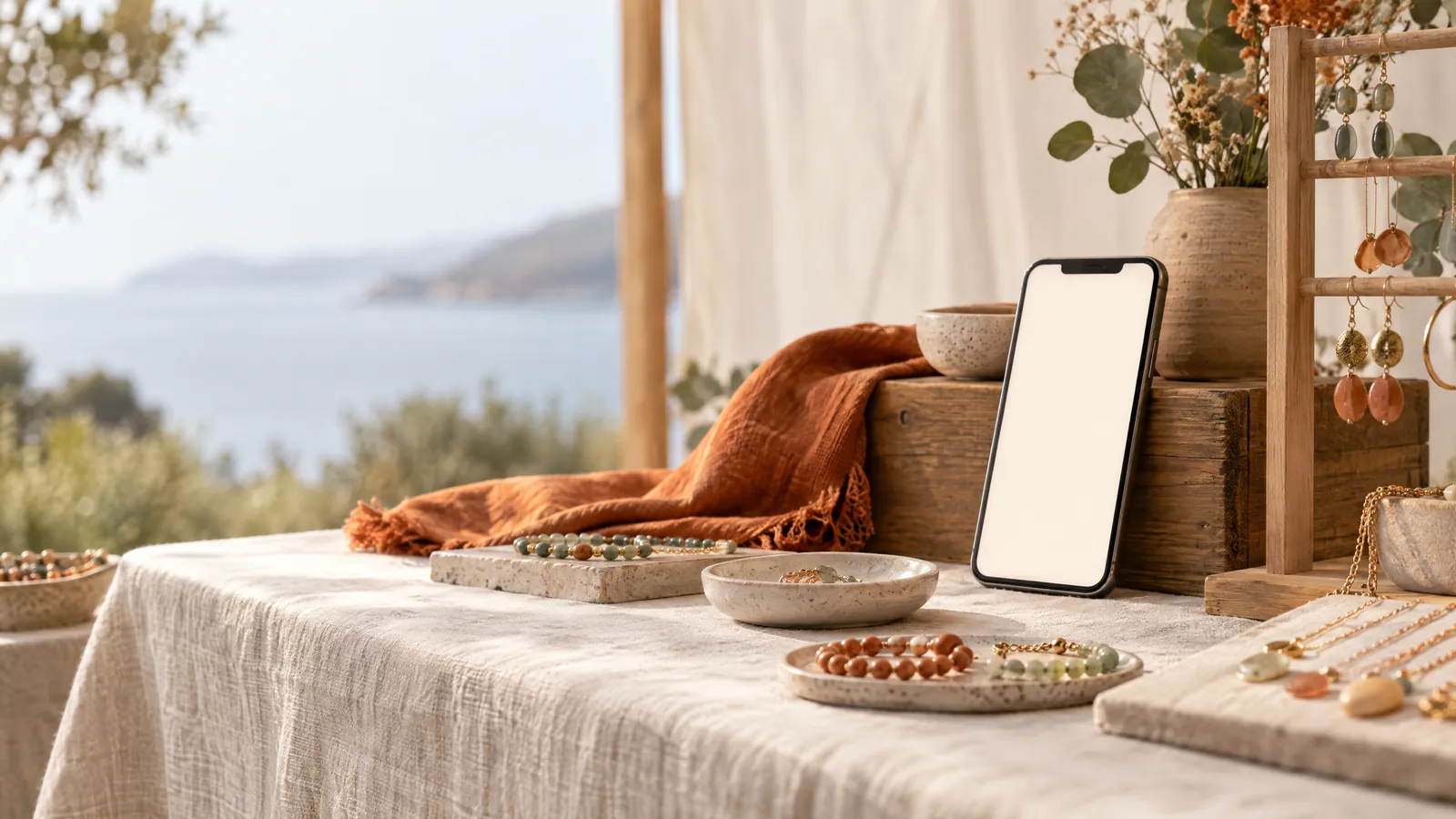
A jewelry seller shared in r/smallbusiness that she has mostly sold at markets so far (original post). She wants to move to selling online and work fewer weekends.
I find that wish completely understandable. Markets have one big advantage: you talk to people directly, they touch the jewelry, you see how they react. Online, all of that disappears. That's exactly why your website and your ads have to take over what you do naturally at your stall: explain, show, build trust.
Case 3: First Small Boosts, and Now What?
Another jewelry brand tried a few small boosts on Instagram, Facebook and TikTok (original post). Now it's asking what really works.
Boosts are a typical way in. One button, one amount, done. The problem: a boosted post is usually built for reach and engagement, not for sales. Likes feel good, but they don't pay the rent.
Win Your First Customers: The Right Order
If you want to win your first customers online, go in this order:
- Make your offer clear. What exactly do you sell, to whom, and why should they buy from you?
- Check your website. Test it on mobile, make shipping and returns visible, show reviews.
- Set up tracking. Without measurement you don't know which ads sell.
- Point your ads at sales. Campaigns with a purchase or lead objective instead of boosts for likes.
- Small tests, clear rules. Test a few creatives and decide in advance when you'll make the call.
Tips for Getting Customers After Leaving the Market
Here are a few tips for getting customers that fit sellers like the one in case 2 especially well:
- Bring your market customers along. A business card or QR code at your stall, so regulars keep buying online.
- Bring the stall into your videos. Show in short videos how you explain things at the market: material, how it's made, how it's worn.
- Collect reviews. Ask happy market customers for an online review.
- Put one product center stage. Starting with one clear bestseller is easier than starting with your whole range.
New Customer Examples From the Cases
Three new customer examples that follow directly from the posts:
- Lifestyle brand: Before the ads start, test checkout and loading time, show shipping costs early.
- Jewelry seller: Get market customers onto a list via QR code, and send the online launch offer to them first.
- Jewelry brand with boosts: Instead of boosts, test a small sales campaign with two or three videos.
Getting More Customers Means Earning Trust
In the end, getting customers online is always about trust. At a market, it comes from your face and the product in someone's hand. Online, it comes from clear photos, honest reviews, transparent costs and ads that answer real questions.
Example: The Jewelry Seller Plans Her Move
- Step 1: She writes down which questions customers ask most often at her stall.
- Step 2: She answers exactly those questions on the product page and in short videos.
- Step 3: She tests a small sales campaign and keeps one market day per month until enough is happening online.
That way the move becomes a transition, not a leap into cold water.
The Three Cases Up Close: What's Behind the Questions
Let's take another closer look at the lifestyle brand from case 1. The fact that it asks before launching ads is already half the solution. Most people only notice after their first spend that visitors come and go again. A simple test helps: ask three people who don't know your brand to play through a purchase on their phone, right up to the last step. Watch without helping. Where they hesitate, your ad visitors will hesitate later too.
With the jewelry seller from case 2, the wish to work fewer weekends hides an important question: what is she actually doing right at her stall? She probably tells the story behind each piece, shows how it looks when worn and answers questions about material and care. That is exactly the material for her product pages and videos. Online, it's not the prettiest shop that wins, but the one that best answers buyers' questions.
And the jewelry brand from case 3 learned something valuable from its boosts, even if it doesn't feel that way: which posts people are interested in at all. Those posts are good candidates for the first real sales campaign.
Your Roadmap in Five Steps
- Write a list of questions. Every question customers ask you at your stall, by message or on the phone.
- Rebuild your page around it. Every common question gets a visible answer on the product page.
- Shoot three videos. One about the product in everyday life, one about how it's made or where it comes from, one with a customer's voice.
- Start a small sales campaign. Objective purchase, the three videos as ads, a fixed test budget.
- Review and sharpen. Which ad brings purchases, and at which point do visitors drop off?
A Common Mistake
Many people send their ads to the homepage. Better is the page that matches the ad: someone who sees a bracelet should land on that bracelet.
What You Gain
You have a good product, and you know people like it. But online it stays quiet, or you've already spent money on boosts that didn't sell anything. That gnaws at you.
When you know the right order, you only spend your ad money once your page is ready to sell.
Here's what that gets you:
- Fewer expensive lessons. You find the brakes on your website before you pay for clicks.
- More free time as the goal. A plan for how online sales can gradually replace market days.
- Ads that sell. Campaigns with a purchase objective instead of likes.
There are no guarantees. But you start with a foundation instead of hope.
Imagine how this feels a few months from now: you know which questions your buyers have, your page answers them, and your ads bring people who are already half convinced. Instead of standing at your stall every Saturday, you decide which market days you still want to do, because you enjoy them, not because you have to.
How This Looks at Plaith
At Plaith, 6 specialists, combining people and AI, take care of videos, ad messaging and campaign management, from €26 a day plus a one-time setup. You keep your ad account. We work fully remote, whether you live in your home country or abroad.
If you want to see whether this fits your business, book a short call with René. No pressure.
We're also looking for sales partners who want to work remotely. If that's your path, find out how to become a partner.
Frequently Asked Questions
How Can I Get More Customers Online?
Sharpen your offer, check your website, set up tracking and then run ads with a purchase or inquiry objective.
Are Instagram Boosts Worth It?
For reach, yes. For sales, campaigns with a purchase or lead objective are usually better.
What Puts Buyers Off in an Online Shop?
Often hidden shipping costs, missing reviews, slow pages and complicated checkouts.